 Eustis Estate
“The oppostition to parliment will undo us” – Jonathan Sayward, January 20, 1774
The question of loyalty concerned all New Englanders as political tensions worsened between the colonies and Great Britain. While most New England colonists supported America’s right to self-governance, many remained conflicted about the prospect of a civil war, and a vocal minority made it clear they would continue to support the Crown’s authority.
Discussion and debates over loyalty took place not only in taverns, churches, and meetinghouses, but also in the home. Families found themselves on opposite sides of the conflict, leading to separation and heartbreak. Meanwhile, enslaved members of households broke their involuntary bonds of servitude to enlist in the army and gain their freedom. The objects in this gallery explore the various meanings of loyalty during the American Revolution and show how colonists navigated a new political landscape.
Timeline of Events
May 10, 1773 – The Tea Act
British Parliament passes the Tea Act to aid the struggling British East India Company. The act allows them to undercut their Dutch competitor’s prices and effectively creates a monopoly in the colonies. Colonists see this move as yet another governmental overreach, stripping them of freedom of choice and subjecting them to more taxation. Tensions continue to rise.
December 16, 1773 – The Boston Tea Party
A group of men, predominantly comprised of members of the Sons of Liberty, dump 342 chests of tea into the Boston Harbor in protest of British Parliament’s levying of taxes in the colonies, despite growing protest from colonists. Parliament retaliates with the Intolerable Acts, which are designed to make an example out of Massachusetts ’ colonists by further restricting their freedoms.
April 18, 1776 – Revere and Dawes Ride at Midnight
More famously known as Paul Revere’s Midnight Ride, Paul Revere and William Dawes rode out on the night of April 18th, after discovering that the British military planned to capture leaders of the revolutionary cause. They rode out to Lexington and Concord, the night before the official start of the Revolutionary War, to alert the militia ahead of the British troops.
April 19, 1775 – Battle of Lexington and Concord
British troops march into Massachusetts, intending to seize weapons and supplies and suppress insurrectionists. Colonists are forewarned, and the expected skirmish turns into the first battle of the Revolutionary War.
June 17, 1775 – Battle of Bunker Hill
Colonists in Massachusetts are joined by militia from all over New England to defend their position in Charlestown. Although the battle is lost by the Revolutionary forces, the British Army sustains heavy losses in men and morale. Despite actually taking place on Breed’s Hill, the battle is commonly referred to as taking place on the nearby Bunker Hill.
Jonathan Sayward
Jonathan Sayward (1713-1797) enjoyed a genteel life in York, Maine, occupying roles in local government and representing York in the Massachusetts House of Representatives. He came under fire in 1768 after voting to rescind a letter circulated by his fellow representatives to other colonial legislatures asking them to join the protest against British Parliament.
In his diary, Sayward warned that agitating Britain “would bring the full weight of ministerial vengeance on this province.” While he personally disagreed with Parliament’s actions, Sayward wished to avoid a civil war. He was also distressed by the escalating violence of the Sons of Liberty, who mobbed anyone they viewed as a Loyalist —including him.
After war broke out, Sayward suffered numerous blows, including “loss of trade,” “the scorn of the abject slight of friends,” and “all my offices . . . taken from me.” Confined to his home in York (Historic New England’s Sayward-Wheeler House), Sayward watched in disbelief as America became an independent nation. “It’s all beyond my depth, I am lost in wonder,” he wrote in July 1776.
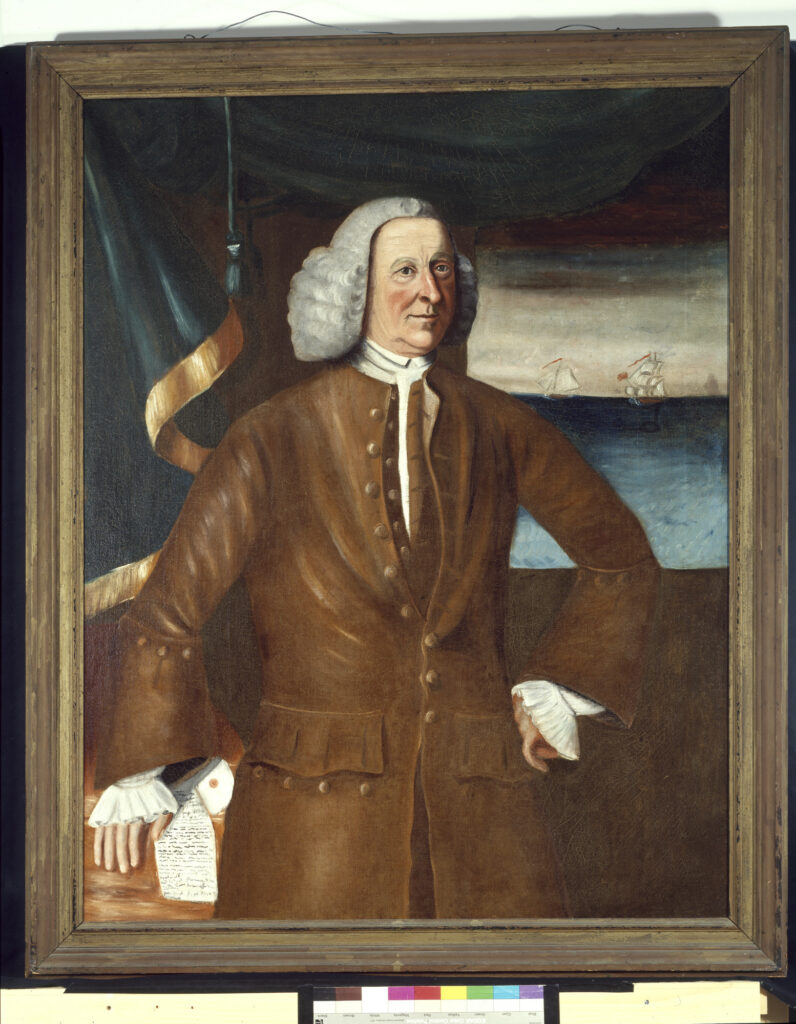
Portrait of Jonathan Sayward
Jonathan Sayward
Probably Boston, 1760s
Oil on canvas
Gift of the Heirs of Elizabeth Cheever Wheeler
Jonathan Sayward sat for this portrait at the height of his prestige and influence. In the background are ships, referencing the wealth he amassed through the maritime trade.
Revere Engraving A Warm Place Hell
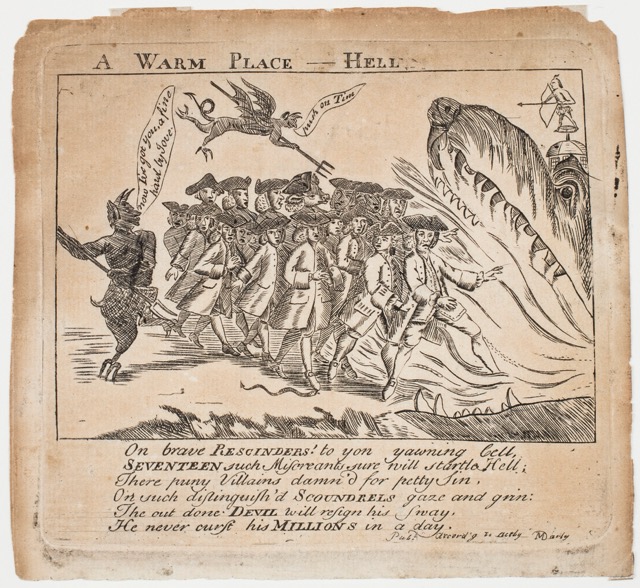
Paul Revere circulated this political cartoon in 1768 criticizing Jonathan Sayward and other members of the Massachusetts legislature who voted to rescind the circular letter to other colonies. After the incident, Sayward wrote in his diary, “the printers are full against us.”
Courtesy, American Antiquarian Society
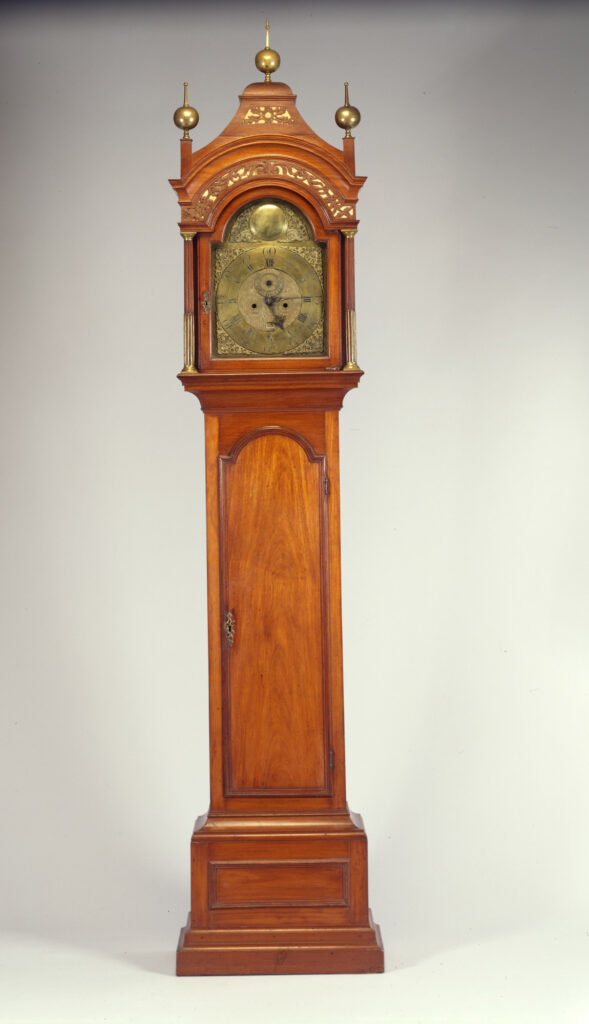
Clock
Likely Portsmouth, New Hampshire, 1750-70
Mahogany, spruce, brass
Gift of the Heirs of Elizabeth Cheever Wheeler
“I heard the clock every Hour Last night. Little or no Sleep.”
May 12, 1777
Jonathan Sayward acquired this elegant clock for his home in York, Maine. He removed the central finial to fit the low ceiling of his sitting room.
Behind the Exhibition
Reluctant Loyalist
 The people who witnessed and participated in the American Revolution are often viewed through a series of binaries: American/British or Patriot/Loyalist, just to name a few. Yet, in eighteenth-century New England—as in the rest of the colonies—such lines were not as neatly drawn. American colonists were British subjects, not only in custom and culture, but in their political identities. Declaring independence and going to war with Britain because of disputes over taxes and governance was, for many New Englanders, a worrisome idea. Yet, as revolutionary sentiments continued to grow among the colonists, those who resided somewhere in the middle of the partisan spectrum were not always able to remain neutral. It was often the case that anyone who registered their opposition to the work of the Sons of Liberty and the Provincial Congress was branded as a Loyalist and had their lives derailed or even destroyed. Almost overnight, a well-respected member of a community could become an enemy of the state.
Such was the case with Jonathan Sayward (1713-1797), a mariner and trader who held prominent political positions in his town of York, Maine, and served as the representative from York to the General Court. Sayward was also a veteran of the Seven Years’ War who took part in the Siege of Louisbourg in 1744. Jonathan Sayward’s diary (held by the American Antiquarian Society) and household furnishings at Historic New England’s Sayward-Wheeler House in York help us tell the story of a successful entrepreneur and respectable government official who lost almost everything because of his political sympathies. His experience of persecution at the hands of his fellow colonists provides a different perspective on the American Revolution.
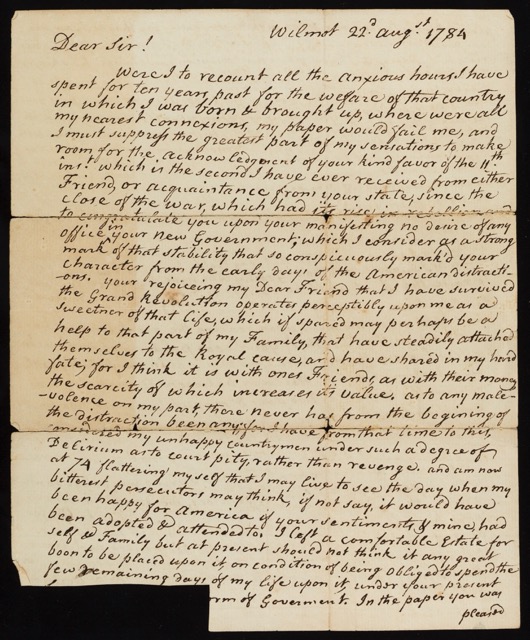
Letter to an Unknown Recipient
In this letter to a friend, Jonathan Sayward shared his uncertain feelings about American independence. Though he survived “the Grand Revolution,” Sayward worried for family members who “attached themselves to the Royal cause and have shared in my hard fate.” While Sayward claimed to feel no ill will toward his “unhappy countrymen,” he had little faith in the fledgling government of the United States. He asked his friend if they would live to see the day “when my bitterest persecutors may think, if not say, it would have been happy for America if your sentiments and mine had been adopted & attended to.” A Letter from Jonathan Sayward to an Unidentified Recipient, August 22, 1784, Sayward Family Papers. Gift of the Heirs of Elizabeth Cheever Wheeler.
Prince and Dinah's Story
Prince (1749-1789) was one of three identified men enslaved by Jonathan Sayward in York, Maine, along with Cato and Boneto. In 1780, at the age of thirty-one, Prince married Dinah, an enslaved woman who worked at the nearby Robert Rose Tavern. The following year, Prince enlisted in the Continental Army. He purchased his freedom from Sayward with support from unknown individuals referred to as “the Friends of Prince Sayward.” Prince served in the 7th Massachusetts Regiment as a waiter (personal servant) to Major Samuel Darby.
After the war, Prince returned to York and lived with Dinah until his death of consumption in 1789. Dinah never remarried, and in 1836, she applied for a widow’s pension under the name Dinah Prince.
The application included statements from Nathaniel Donnell and Olive Harmon, members of the community, testifying to Dinah and Prince’s marriage and to Prince’s service. Dinah signed these papers with her mark, the only surviving documentation she left behind. She received her pension in 1838, at age 90.
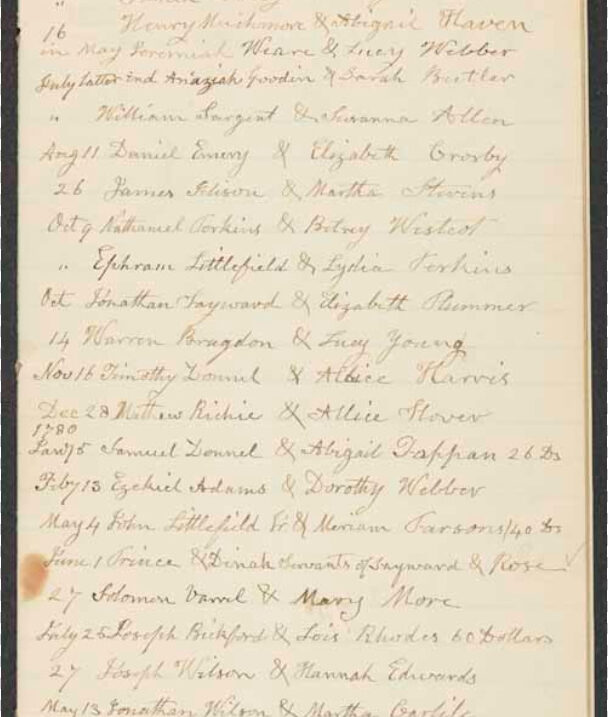
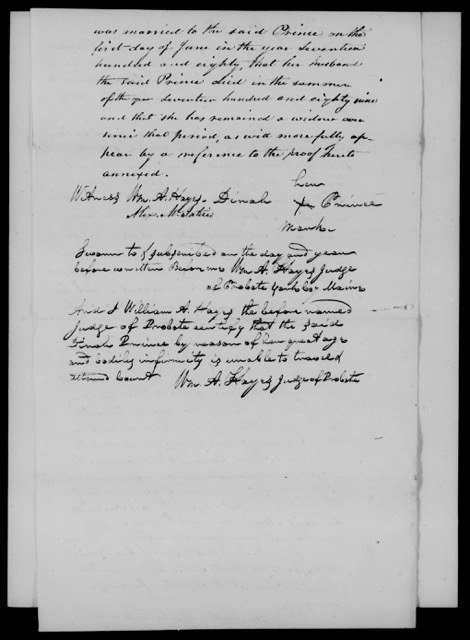
Prince and Dinah’s Marriage Record
Prince and Dinah’s marriage appears in the records of the First Parish in York, Maine, on June 1, 1780: “Prince & Dinah Servants of Mess Sayward & Rose.”
The Congregational Library & Archives, Boston, MA
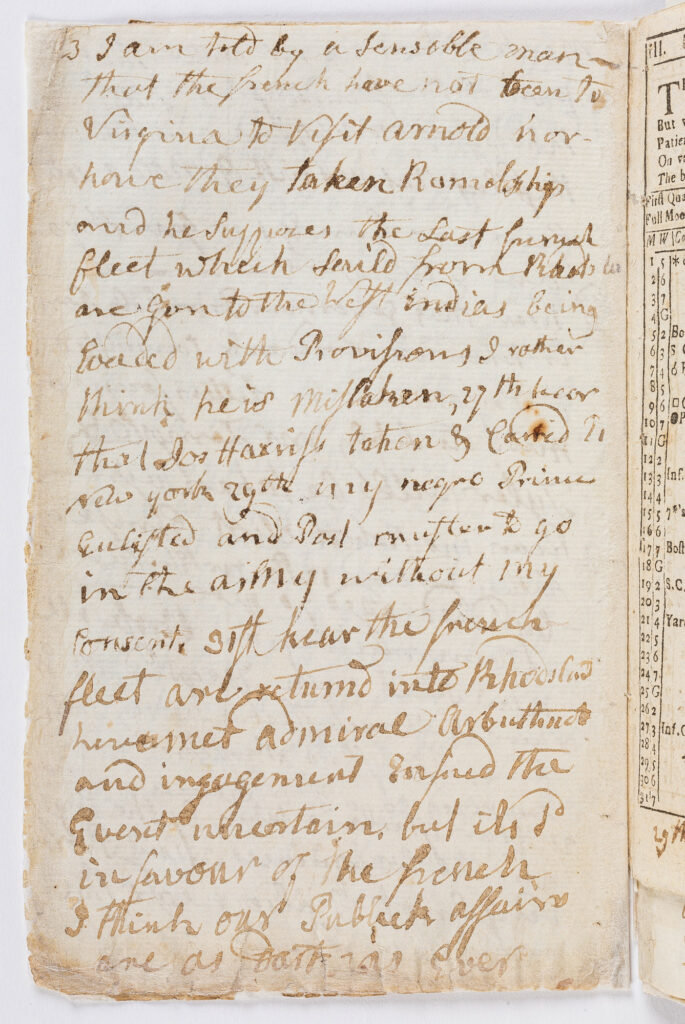
Prince’s Enlistment
Prince (1749-1789) purchased his freedom from Sayward with support from unknown individuals referred to as “the Friends of Prince Sayward.” Sayward wrote in his diary: “My negro Prince Enlisted and Past muster to go in the army without my consent.” Prince served in the 7th Massachusetts Regiment as a waiter (personal servant) to Major Samuel Darby.
Courtesy, American Antiquarian Society
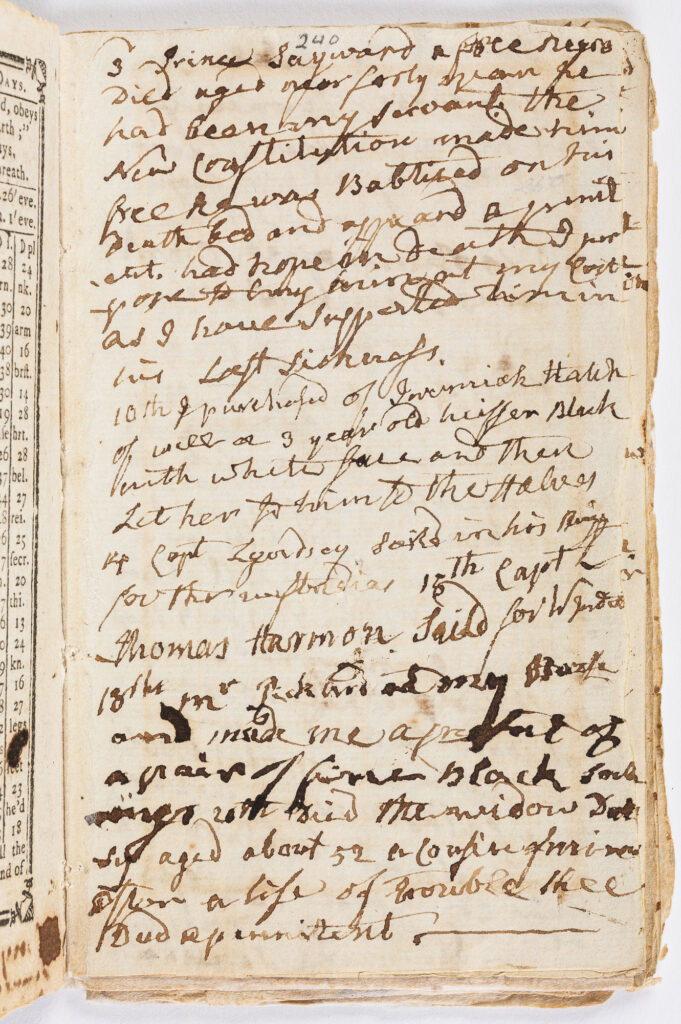
Prince’s Death
After returning to York, Prince died 1789 of consumption. Sayward apparently supported Prince and Dinah through Prince’s sickness and paid for the cost of burying him. He wrote “He had been my servant. The New Constitution made him free.”
Courtesy, American Antiquarian Society
Dinah’s Pension
Dinah successfully petitioned to receive her late husband’s military pension, with support from her neighbors in York. Revolutionary War Pension Records, National Archives and Records Administration
The Otis Family
Among the calls for American independence, some of the loudest voices belonged to the prominent Otis family of Boston. James Otis Jr. (1725-1783) was one of the earliest colonial legislators to protest British Parliament, and his brother, Samuel Allyne Otis (1740-1814), became the first Secretary of the US Senate. Their sister Mercy Otis Warren (1728-1814) was a playwright and poet who infused her writings with political messages.
Samuel and James Otis each married into wealthy merchant families and their wives, Elizabeth Gray (1746- 1779) and Ruth Cunningham (1729- 1789), were Loyalists. Samuel and Elizabeth’s marriage suffered as Elizabeth mourned the loss of family and friends who fled to England during the war. Despite the divided loyalties of their respective families, Samuel and Elizabeth Otis had what appeared to be a loving and affectionate marriage. In a letter to his father-in-law Harrison Gray, Otis wrote about his late wife: “As she lived a saint, she died an Angel.”
By contrast, James Otis and Ruth Cunningham Otis endured a bitterly unhappy marriage by all accounts. James Otis fought for American independence while his wife supported the colonies remaining under British rule. Their children were equally divided. The discord between James and Ruth Otis was known to many, including John Adams, who recalled Otis describing his wife as “a good wife, too good for him – but she was a tory, a high Tory.” Mercy Otis Warren was less charitable. In one letter to a friend, she called her sister-in-law a “Weak, Infatuated Woman who has heretofore Brought innumerable Difficulties upon her own Family.” If Ruth Otis wrote about the revolution or her husband, those letters remain undiscovered. James Otis died unexpectedly of a lightning strike in 1783, and Ruth Otis lived to see America become an independent nation.
View Otis Family Letters
Behind the Exhibition
A House DividedThe question of loyalty concerned all New Englanders as political tensions worsened between the colonies and Great Britain. While most White New England colonists supported America’s right to self-governance, many remained ambivalent about the prospect of a civil war, and a vocal minority made it clear they would continue to support the Crown’s authority. Discussion and debates over loyalty took place not only in taverns, churches, and meetinghouses, but also in the home. Families found themselves on opposite sides of the conflict, leading to separation and heartbreak.
Such was the case with the Otis family of Boston, whose members were among the strongest advocates for revolution. James Otis Jr. (1725-1783) was one of the earliest colonial legislators to protest British Parliament, and his brother, Samuel Allyne Otis (1740-1814), became the first Secretary of the United States Senate. Their sister Mercy Otis Warren (1728-1814) was a playwright and poet who infused her writings with political messages.
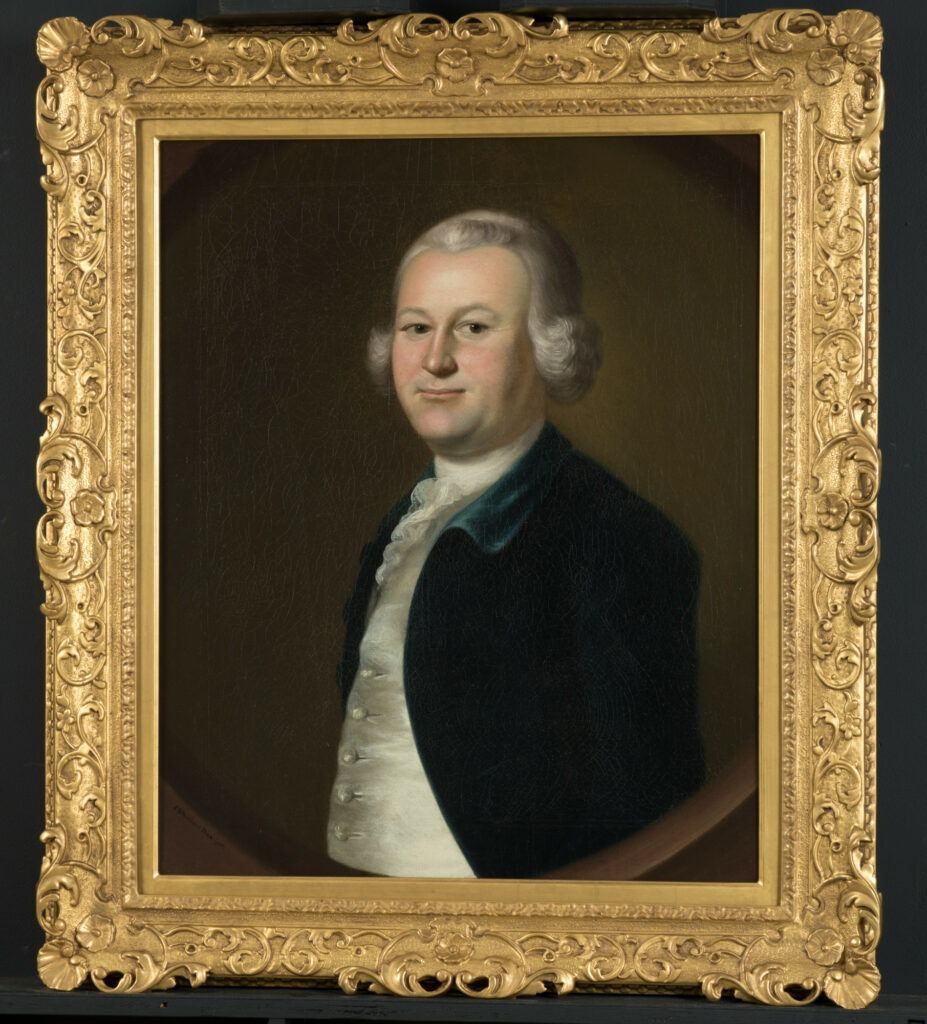
James Otis
James Otis
Joseph Blackburn (1730-1787)
Boston, 1755
Oil on canvas
Gift in memory of Gertrude and Carlos Hepp
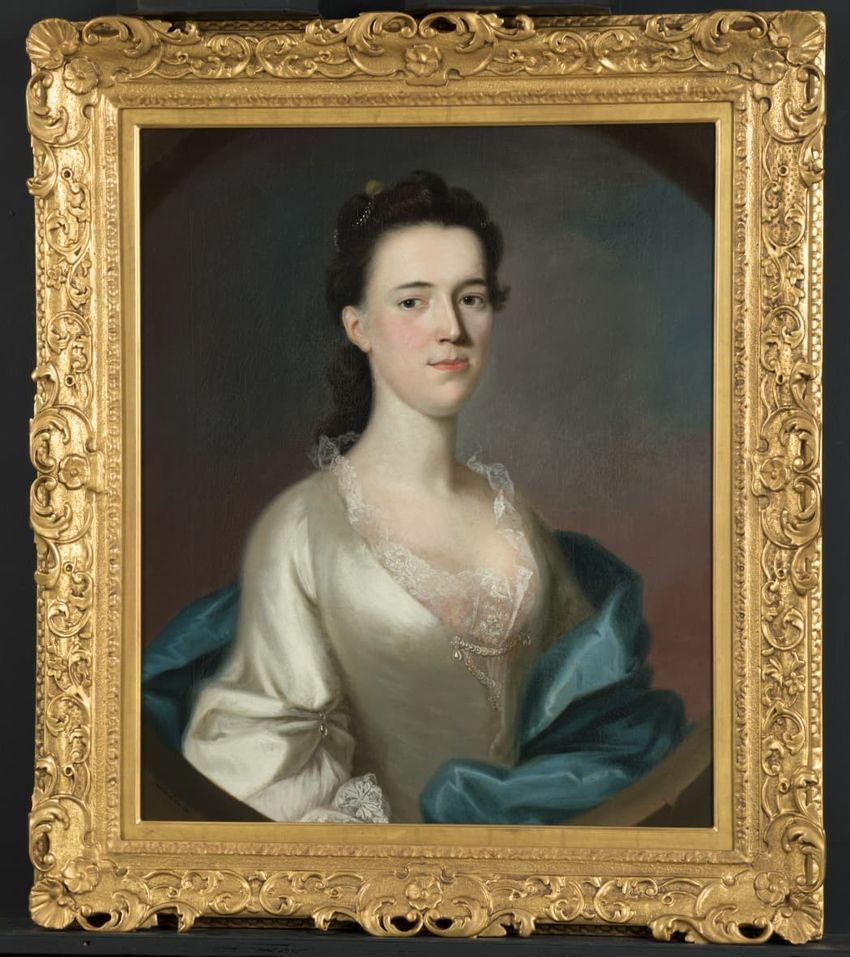
Ruth Otis
Ruth Cunningham Otis
Joseph Blackburn (1730-1787)
Boston, 1755
Oil on canvas
Gift in memory of Gertrude and Carlos Hepp
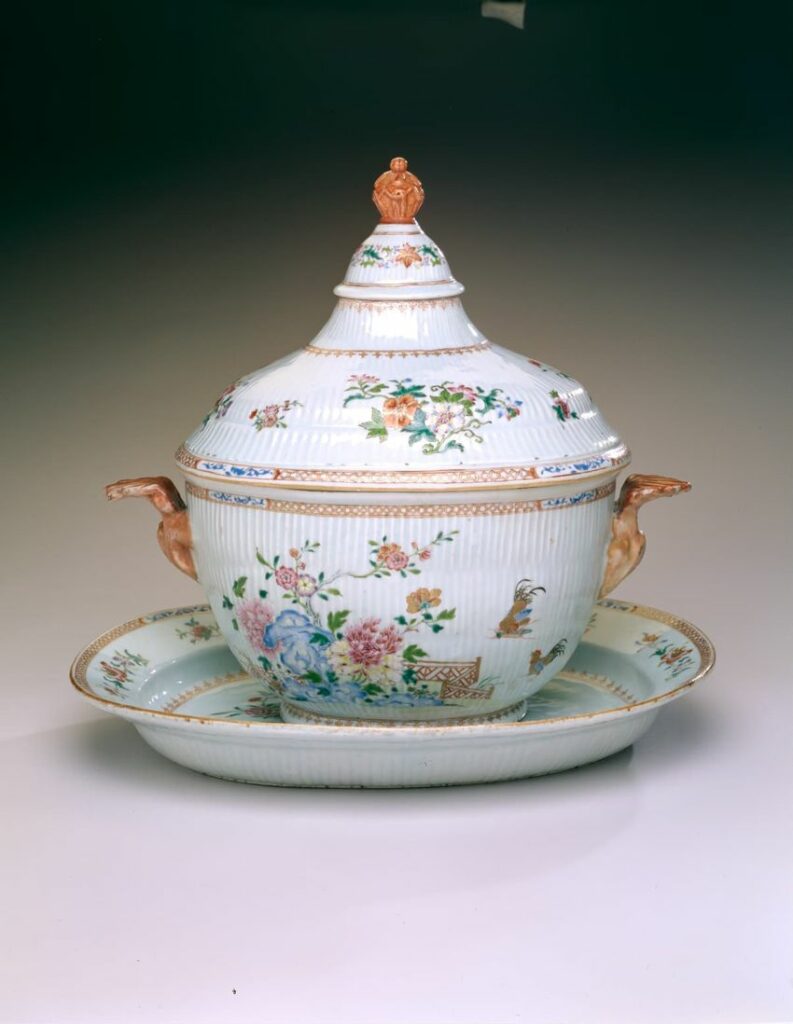
Soup Tureen
Soup Tureen
China, ca. 1770
Porcelain
Gift of Mrs. Howard Van Sinderen
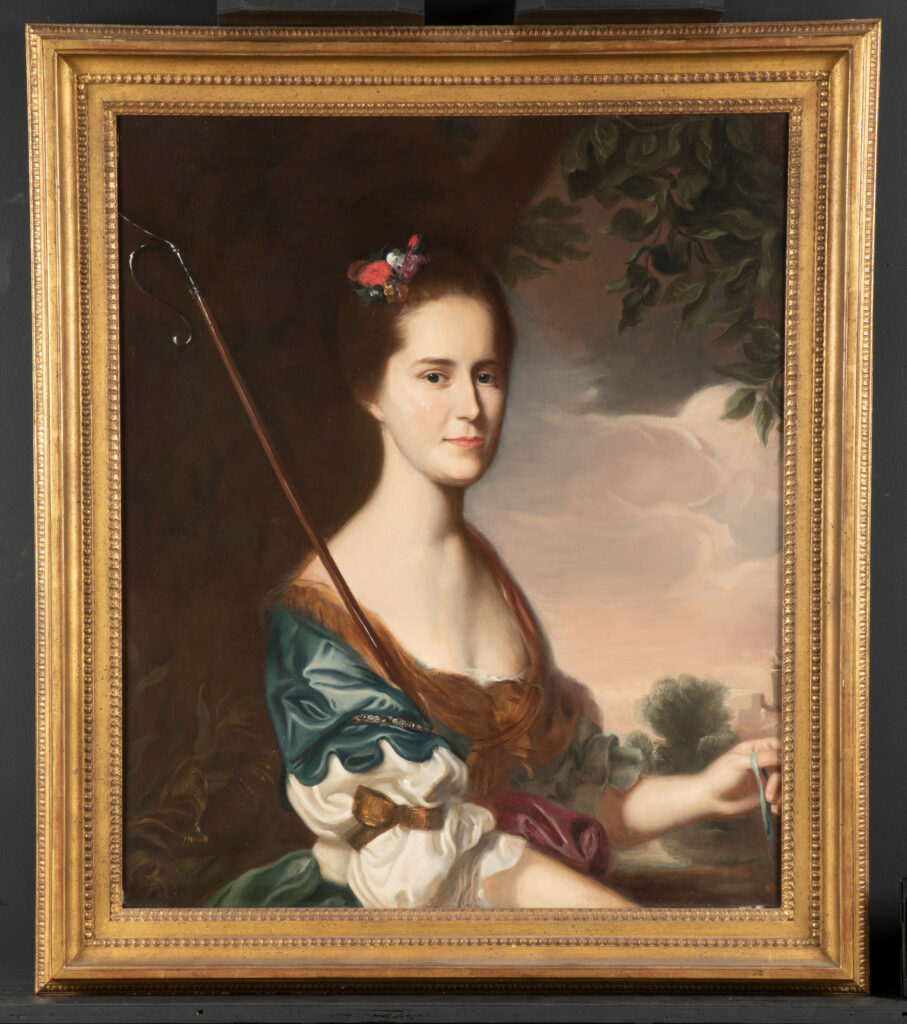
This soup tureen belonged to Samuel Allyne Otis (1740-1814) and Elizabeth Gray (1746-1779), whose harmonious household was disrupted by the American Revolution. Elizabeth felt torn between her husband and her Loyalist father Harrison Gray, who departed for London in exile along with her brothers. Elizabeth’s letters to her father are filled with sadness at their parting: “It is not in the power of words to express how much I have suffered for you and the rest of my dear friends since you left Boston.” Elizabeth never reunited with her family, dying of illness in 1779. Samuel Otis had the unhappy task of informing his father-in-law, who responded to the news with shared grief and poignant sympathy: “The tenderness and affection you had for my dear child, make you stand high in my Estimation, notwithstanding we widely differ in our political principles.”
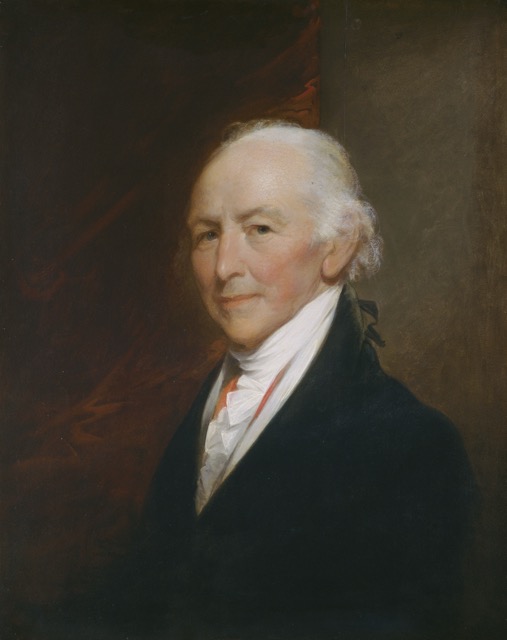
Samuel Otis
Samuel Allyne Otis, Gilbert Stuart
(1755-1828), ca. 1811-13.
National Gallery of Art
Elizabeth Gray Otis
Elizabeth Gray Otis, John Singleton
Copley (1738-1815), ca. 1764.
National Gallery of Art
Through the Looking Glass
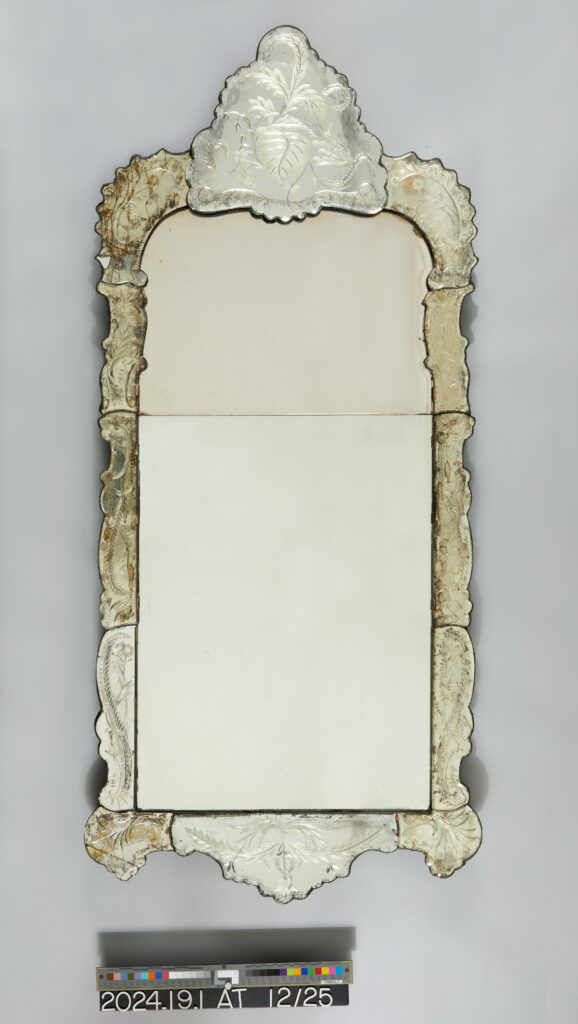
By its history, this extraordinary looking glass belonged to John Cogswell (1738-1818) and his wife Abigail Gooding (1740-1782). After the British Army evacuated Boston in 1776, a newly formed committee under the Massachusetts House of Representatives began to seize and auction the contents of estates abandoned by Loyalists. John and Abigail attended one of these auctions and purchased this looking glass, which descended in the family.
The size and style of this looking glass, with its mirror glass paneling, makes it a rare and uncommon survival from colonial New England.
Throughout its history, the looking glass underwent numerous rounds of conservation treatment. The original reflective surface, made with tin-mercury amalgam, was re-silvered in the nineteenth century. Several of the mirrored border panels were repaired and the bottom central mirror pane was replaced.
Further testing and analysis suggests the looking glass was made in Europe, probably Germany, in the mid-eighteenth century. Its original owner was likely someone with tremendous wealth and influence to transport such a fragile and expensive item to America.
Looking Glass
Europe, ca. 1720-60
Limewood, oak, glass, silver
Gift of Rita Teele
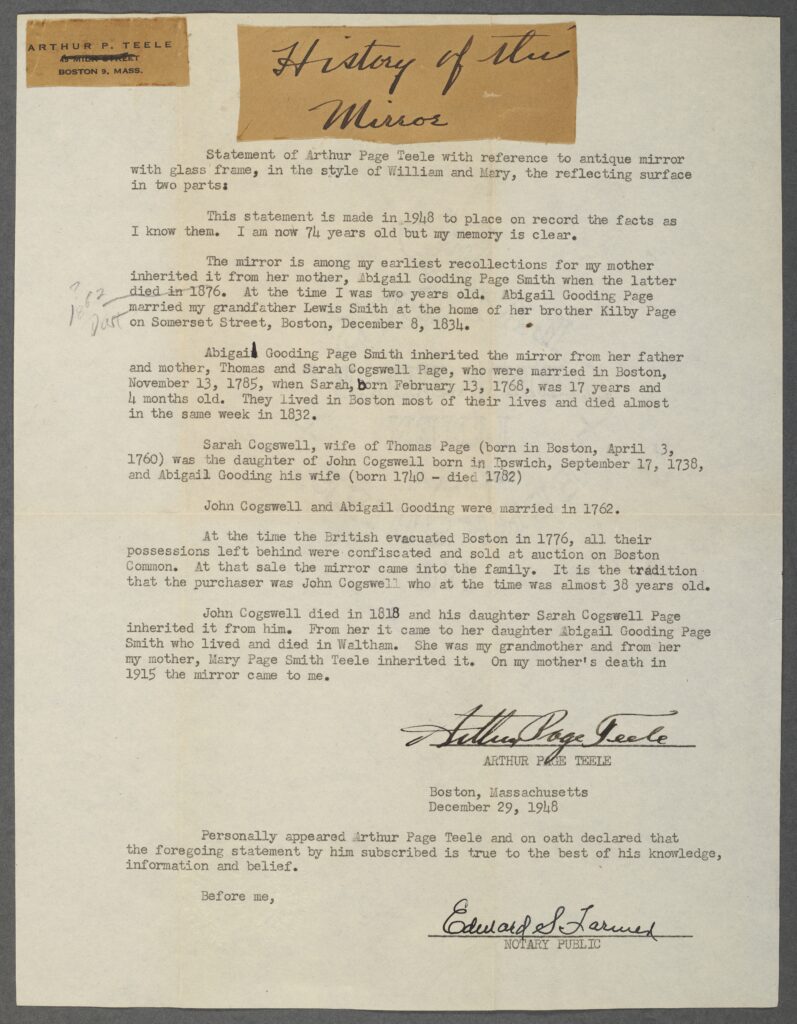
Massachusetts passed laws after 1776 to seize goods and properties from exiled Loyalists who fled to England or Canada. The Boston Gazette advertised an auction held on June 17, 1777, of “All the furniture and other movable effects, left in the Town of Boston, by those Persons who fled from thence with the Enemies of this state.” The auction was held on Cornhill Street, now City Hall Plaza.
A notarized statement from 1948 by the donor’s relation attests to the object’s provenance: “At the time the British evacuated Boston in 1776, all their possessions left behind were confiscated and sold at auction on Boston Common. At that sale the mirror came into the family.” However, it is unlikely the lookin glass belonged to a British officer.
Behind the Exhibition
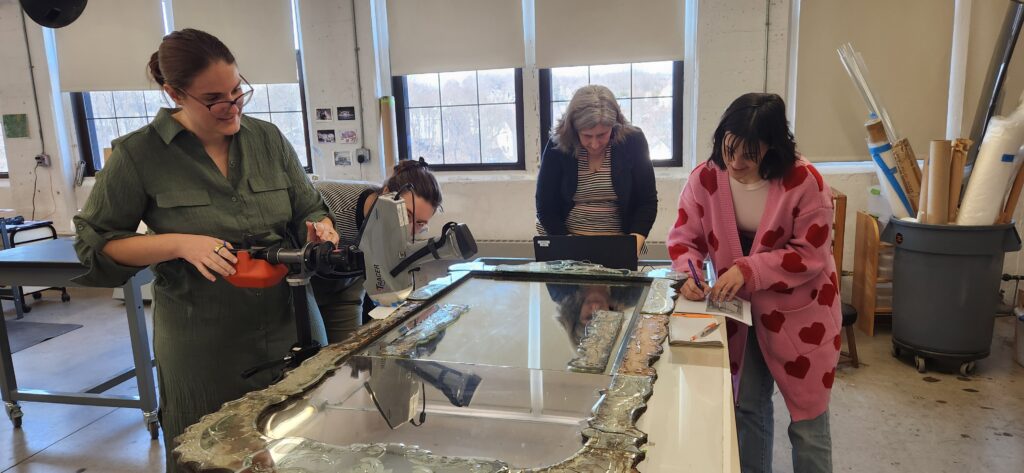
Through the Looking GlassPreliminary Research
Last year, I was approached by a donor who had an extraordinary object in her home: a large looking glass with a scrolled and etched mirrored frame. The central portion is composed of two large sheets of mirror with a one-inch bevel (slanted edge) around the perimeter. This is typical of mid-eighteenth-century looking glasses, or what is commonly referred to as the Queen Anne style (ca.1740-60).
This piece instantly drew my curiosity, for a few reasons. Foremost was its magnificent size and elegant details, such as the leaf and floral engravings along the twelve mirrored and scalloped sections of the frame. I wondered if it was made in Venice, Italy, where specialized glassmakers in Murano had produced highly coveted looking glasses since the fifteenth century. Perhaps it was British and made in the Venetian style?
Notarized Statement About the Looking Glass
Notarized December 29, 1948, statement about the history of the looking glass.
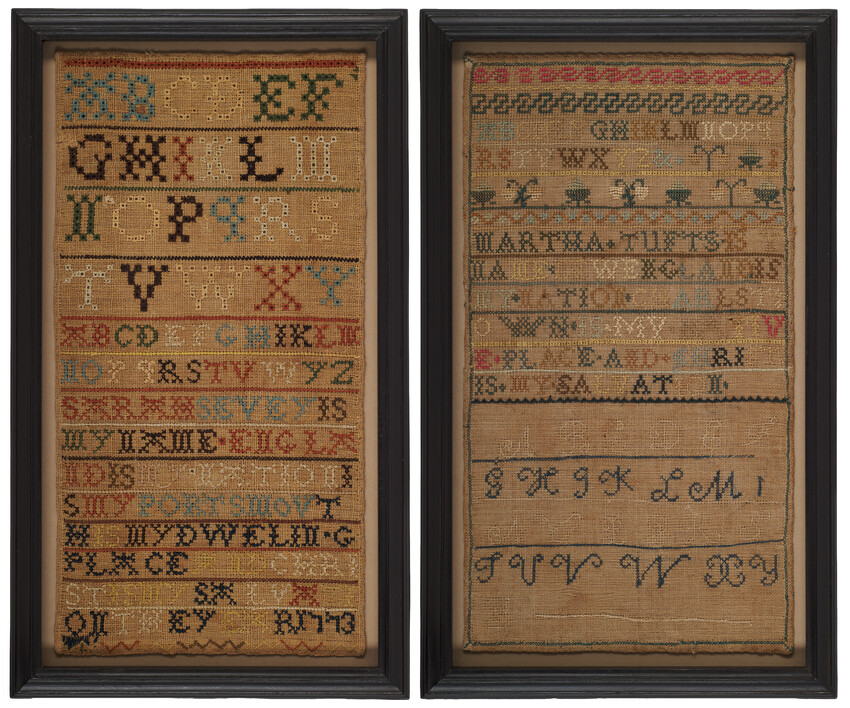
Sarah Sevey’s and Martha Tufts’ Needlework Samplers
Needlework Sampler
Sarah Sevey (1756-1848)
Portsmouth, New Hampshire, 1773
Linen, silk
Gift of Miss Ada H. Hersey
Needlework Sampler
Martha Tufts (1773-1805)
Charlestown, Massachusetts, 1784
Linen, silk
Bequest of Eleanor Clarke Bowser
Growing up in eighteenth-century New England, Sarah Sevey and Martha Tufts
created marking samplers to demonstrate their education and proficiency in needlework.
They personalized a common biblical verse by stitching their names, towns, and nations on
linen canvas.
Sarah Sevey worked her sampler in 1773, having only known life as an American colonist. She considered England to be her nation. Martha Tufts, who grew up in the midst of a war for independence, proclaimed New England as her nation when working her sampler in 1784. This small but significant change suggests how young people thought about their political identities before and after the American Revolution.
“Sarah Sevey is my name. Engla/nd is my
nation i/s my Portsmout/h is my dwelling/
place and chri/st is my salvati/on”
“Martha Tufts/is my name New E/ngland is
my Nat/ion Charlestow/n is my Native Pl/ace
and Christ/is my Salvation”
Curator's View
Explore More
The next page is Gallery 3.